Cat breed · Tsardom of Russia
Siberian
Mèo Siberia

The Siberian is Russia's native forest cat and is considered the country's national cat [1]. It's powerful and muscular, with a thick triple coat built for Russian winters [1]. Siberians are intelligent, curious, easygoing and quiet [1]. The breed is recognised by CFA, TICA [7], FIFe [2] and GCCF [3]. The popular claim that Siberians are hypoallergenic isn't backed by strong evidence yet [4].
Contents (10 sections)
Quick facts
- Origin
- Russia (native forest cat)
- Weight
- ~3.6–8.2 kg
- Lifespan
- ~12–15 years
- Coat
- thick, triple
- Energy
- moderate
Details & sources
Traits (scale 1–5)
- Energy
- 3/5
- Shedding
- 4/5
- Grooming needs
- 3/5
- Good with kids
- 5/5
- Vocal
- 1/5
- Independence
- 2/5
Basis: Editorial estimate based on CFA's description, not a measurement
Registry recognition
| CFA | Yes |
|---|---|
| TICA | Yes |
| FIFe | Yes |
| GCCF | Yes |
History
Siberians appear in Russian records from around the year 1000, when farmers and tradesmen were their main keepers [1]. In real life they earned their keep as mousers; in folklore they guided people to otherworldly realms [1]. For centuries they stayed a Russian secret. The outside world began to hear of them with the first English cat shows in the 1890s [1]. In 1990 Elizabeth Terrell imported the first breeding Siberians to the US [1]. CFA accepted the breed for registration in 2000 and for championship in 2007 [1].
Appearance
- Body: medium to medium-large, strong and muscular, heavier than it looks [1].
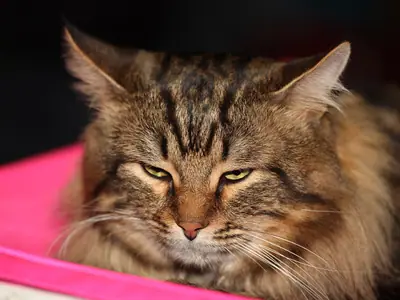
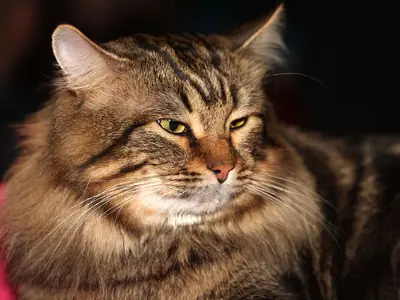
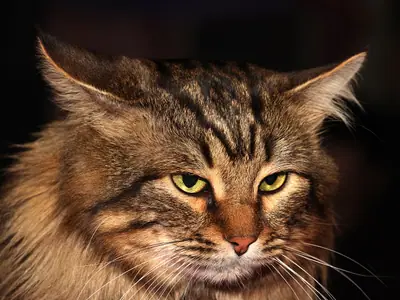
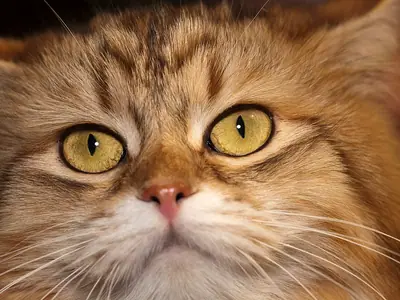
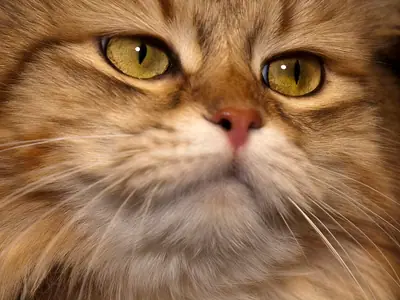
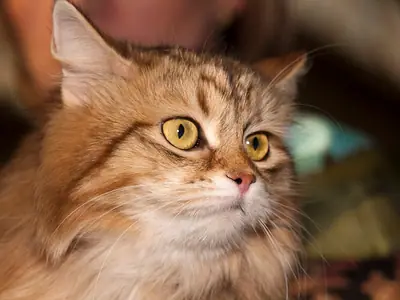
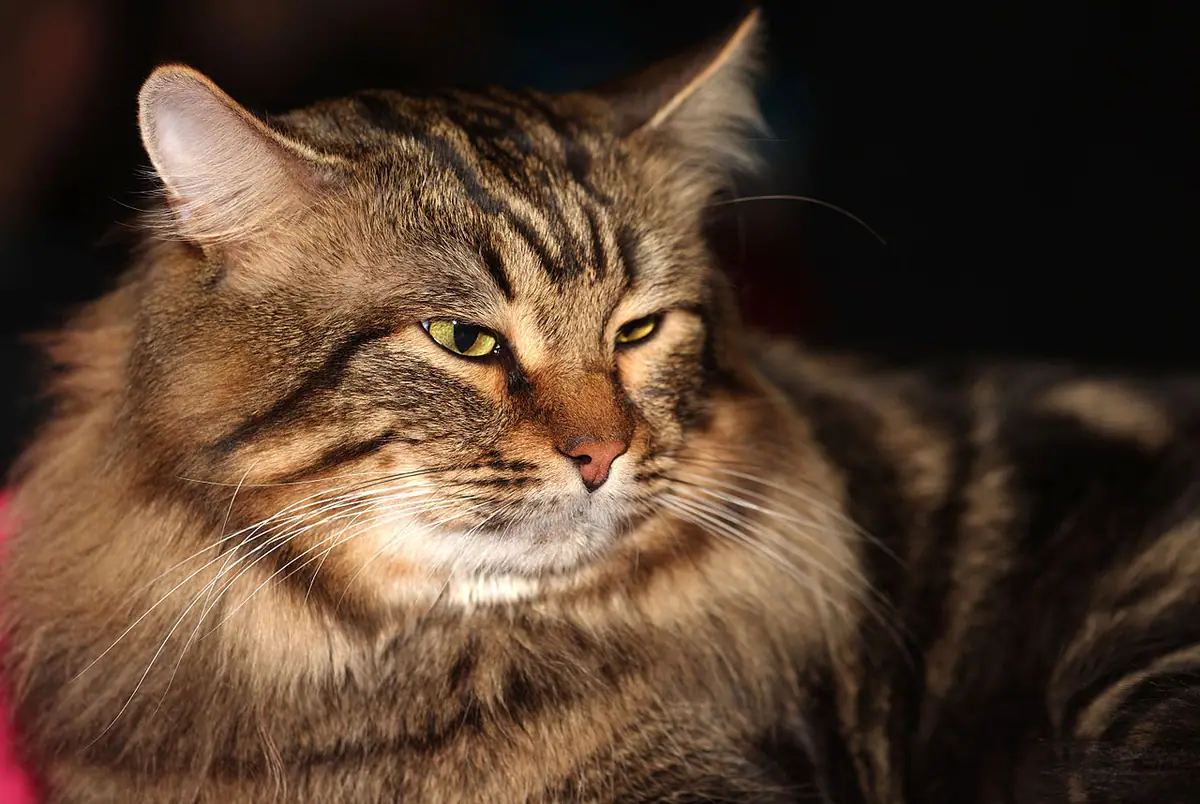
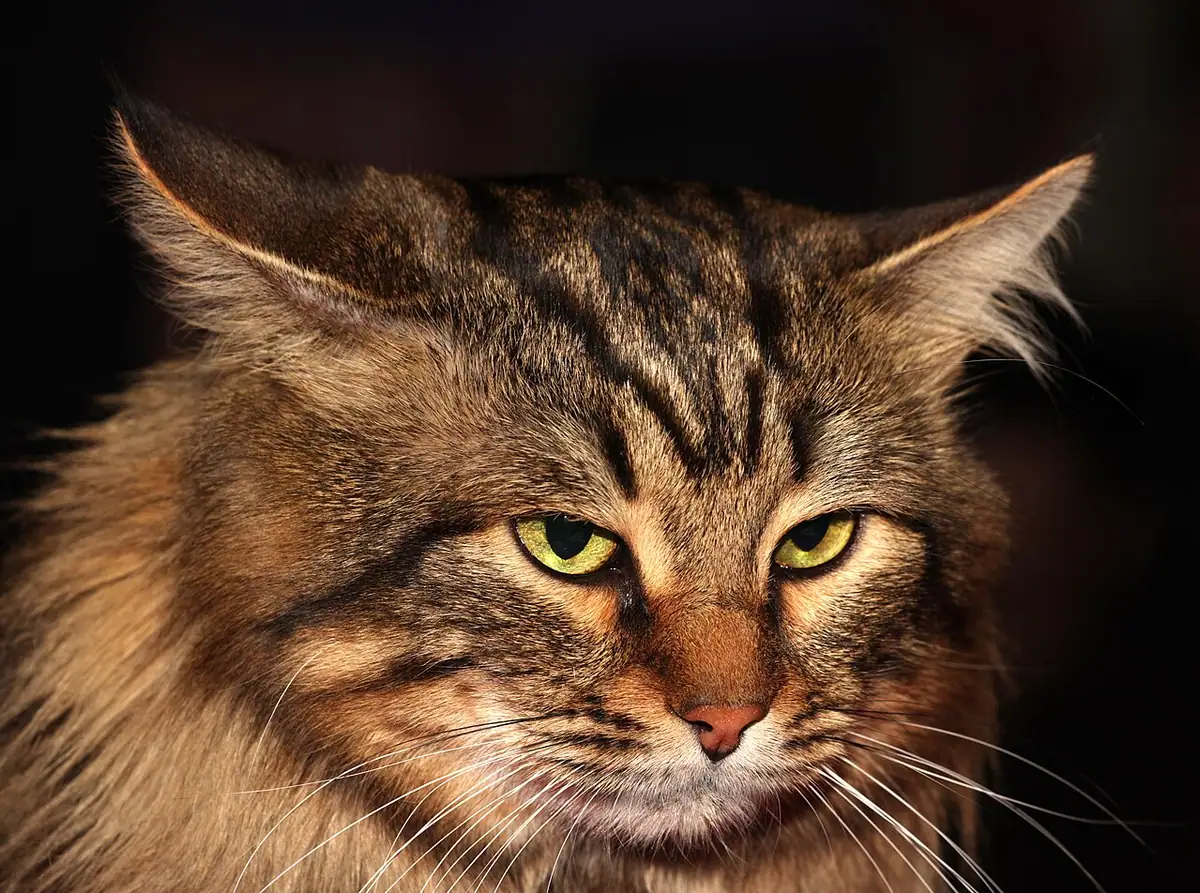
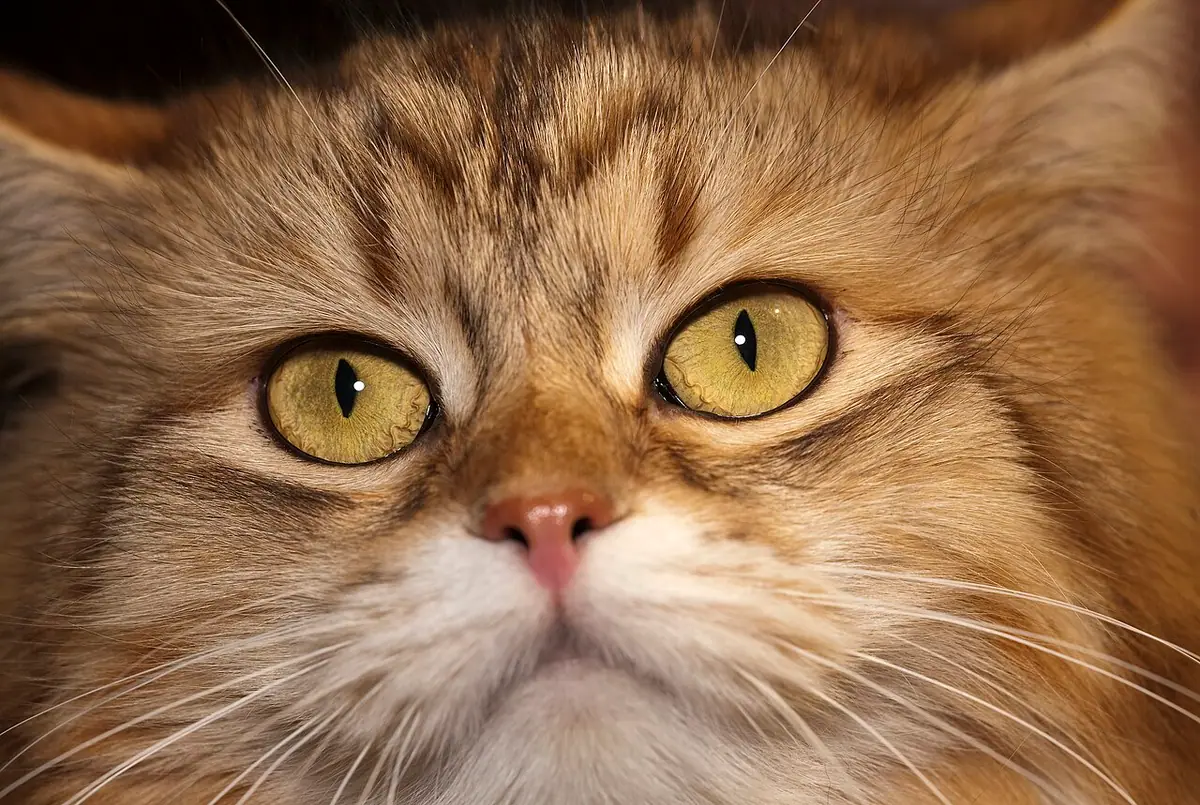
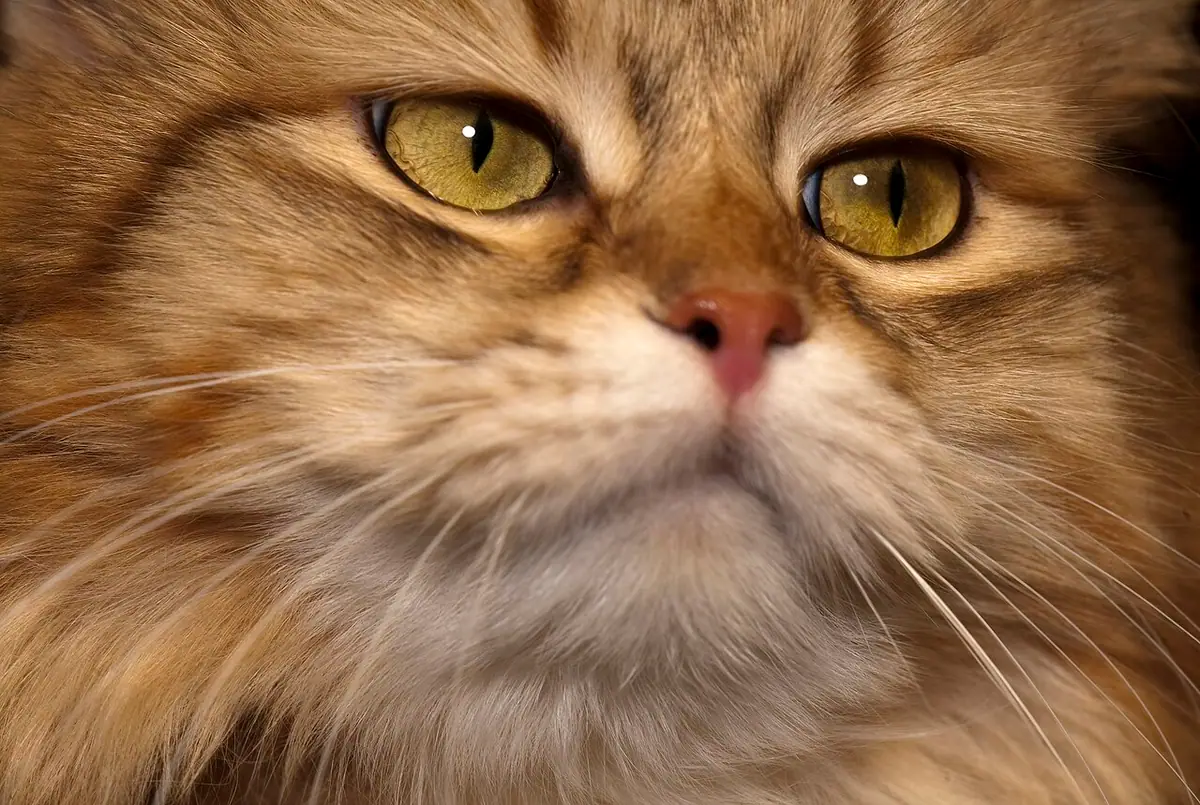
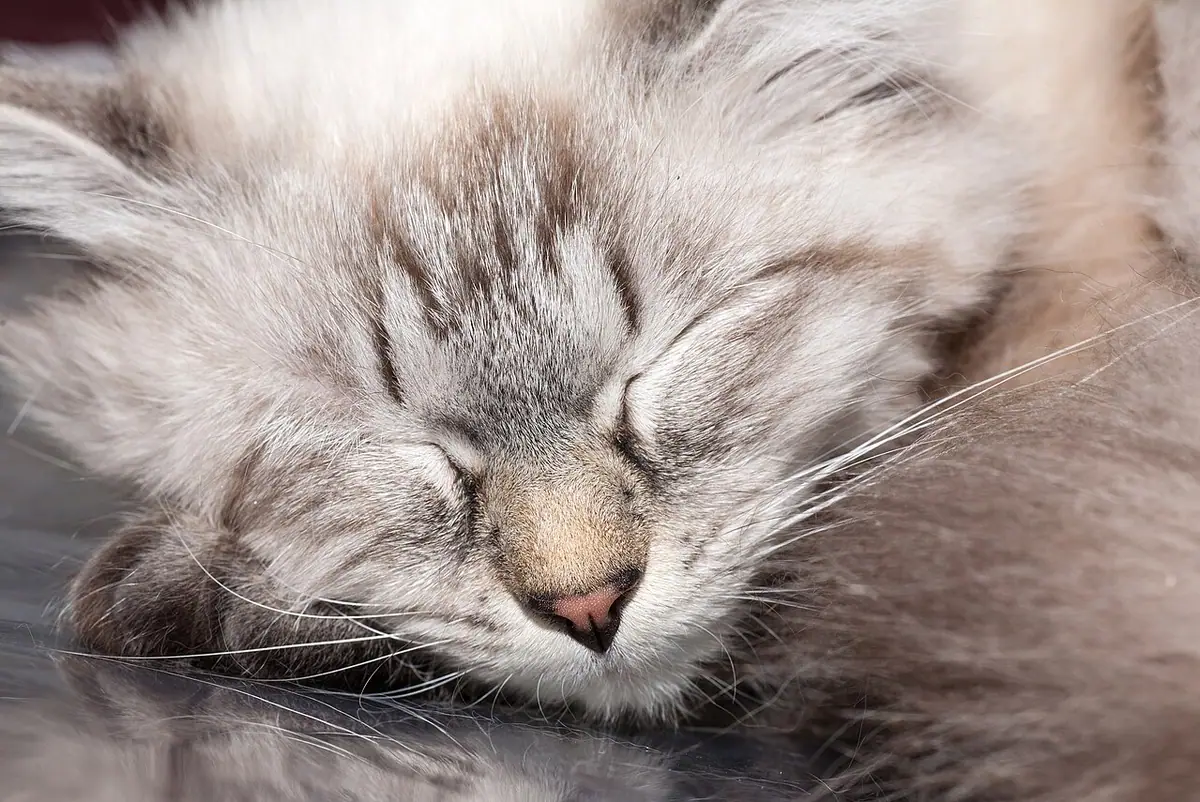
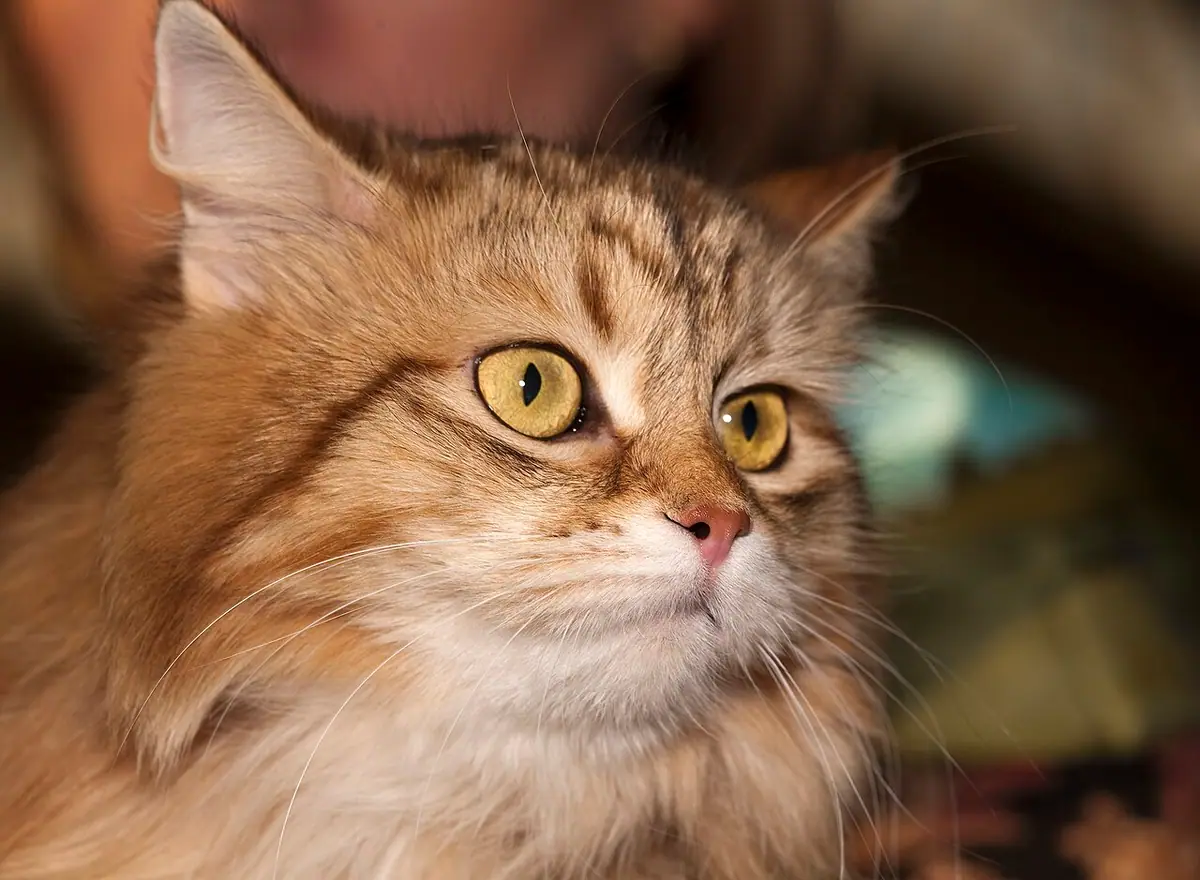
- Head: a broad modified wedge with rounded contours, a full rounded muzzle, lustrous almost-round eyes and medium, well-furnished ears [1].
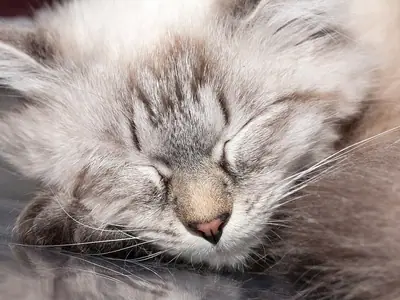
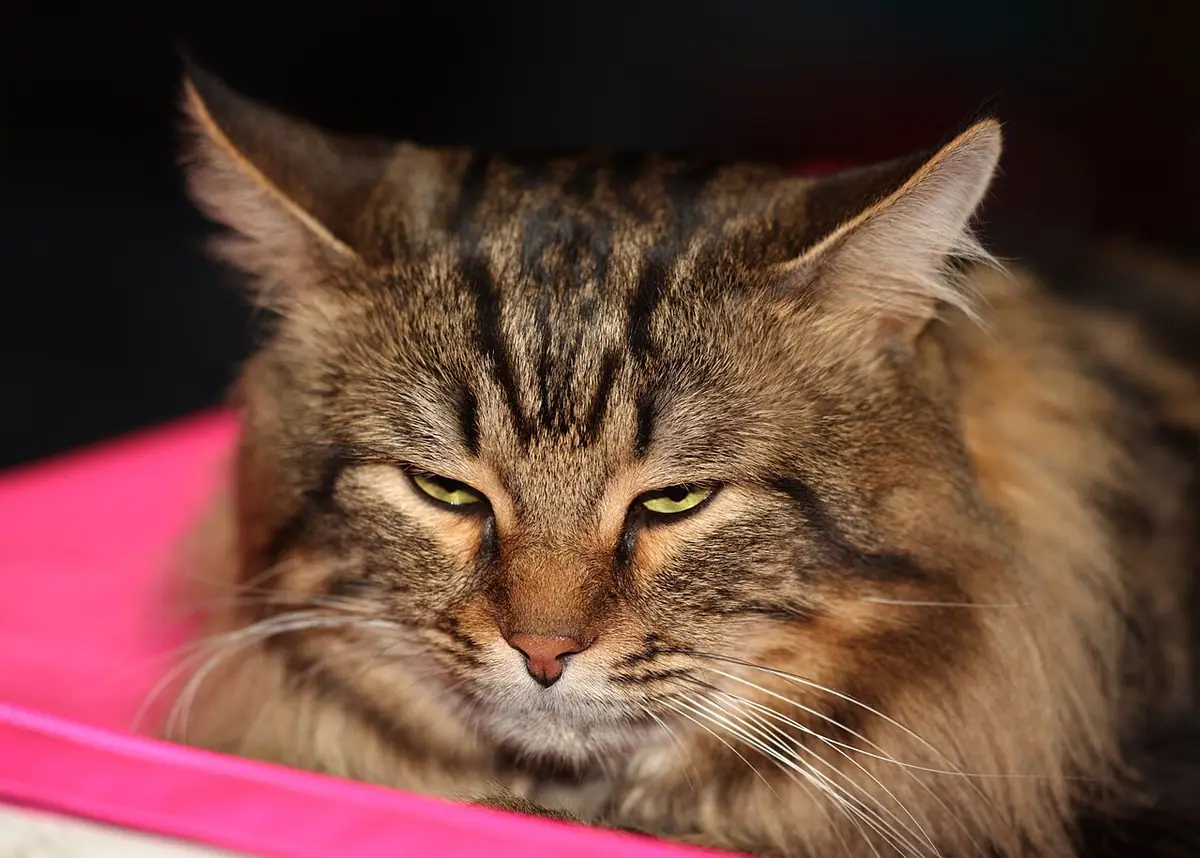
- Coat: a dense triple coat, noticeably thicker in the colder months and shorter and thinner in summer [1].
- Colours: once mostly brown tabby, now almost every colour, including colourpoints and "bimetallic", with gold and silver in the same coat [1].
- Weight: males about 12–18 lb, females 8–12 lb, with most reaching full size at about three [1].
Photo gallery
7 photos · tap to enlarge- (enlarge, photo 1/7)
- (enlarge, photo 2/7)
- (enlarge, photo 3/7)
- (enlarge, photo 4/7)
- (enlarge, photo 5/7)
- (enlarge, photo 6/7)
- (enlarge, photo 7/7)
.jpg)
Photos: Wikimedia Commons – author & licence shown when enlarged and on the Photo credits page.
Temperament
Highly intelligent, as befits a natural hunter, the Siberian loves investigating cabinets, cupboards and suitcases [1]. That doesn't make it overactive or intrusive. Siberians are sociable, curious, easygoing cats that want to be near you and know what's going on [1]. They tune into their owners' moods [1] and get along with dogs, other pets and children [1]. They're quiet, preferring loud purrs to other forms of conversation [1].
Care
- Grooming: needs vary hugely; some need weekly sessions, others go weeks without [1]. Handle the underside, tail and britches several times a week to find tangles early [1].
- Mats: untangle by hand first, then comb out the rest [1].
- Cost: because of preventive genetic testing, Siberians may cost more than some other breeds [1].
Health
- Inherited conditions: CFA names hypertrophic cardiomyopathy (HCM), polycystic kidney disease (PKD) and several other recessive conditions as issues found in the breed. Responsible breeders test carefully before choosing pairs [1].
- Lifespan: GCCF estimates 12–15 years [3]. We found no breed-specific longevity study.
Ask the breeder for the parents' test results, and talk to your vet about any specific concern.
Don't confuse with…
- Norwegian Forest Cat: equilateral-triangle head, straight profile [5].
- Maine Coon: rectangular head, square muzzle, long plumed tail [6].
- Neva Masquerade: FIFe registers colourpointed Siberians as a separate breed (NEM) [2]; CFA treats colourpoint as a Siberian colour [1].
Ask your vet. This information is for reference only and does not replace a veterinary diagnosis.
Fun facts
Frequently asked questions
Are Siberian cats really hypoallergenic?
The evidence isn't strong enough. A 2017 genetic study of just 4 Siberians found some variants in the two genes that produce the allergen Fel d 1, but the authors themselves concluded further work is needed to tell whether those variants reduce allergen production [4]. CFA's breed profile does not call the Siberian hypoallergenic [1]. If you have allergies, spend time with the specific cat first and ask your doctor.
How much grooming does a Siberian need?
It varies. Some need weekly sessions to prevent mats, while others can go weeks without one [1]. CFA suggests handling the underside, tail and britches several times a week to catch tangles early [1].
How is a Siberian different from a Norwegian Forest Cat?
The head is the clearest clue: the Siberian has a modified wedge with rounded contours, a full rounded muzzle and almost round eyes [1]; the Norwegian Forest Cat has an equilateral-triangle head and a straight profile [5].
Are Siberians good with children?
According to CFA, Siberians get along well with dogs and other animals and can be wonderful companions for children [1].
Similar breeds


Breed photos: Wikimedia Commons (CC0 / CC BY / CC BY-SA) – authors & licences on the Photo credits page.
References
- CFA, Siberian (breed profile & standard)
- FIFe, Breeds (SIB Siberian, fully recognised)
- GCCF, Cat Breeds (Siberian breed card)
- Sartore S et al. (2017). Polymorphism analysis of Ch1 and Ch2 genes in the Siberian cat. Veterinary Sciences 4(4):63
- CFA, Norwegian Forest Cat (breed profile & standard)
- CFA, Maine Coon (breed profile & standard)
- TICA, Browse All Breeds (Siberian listed)
Accessed: 2026-10-02
Written by Catopidia from the sources above. Photos credit their author and licence under each image and on the Photo credits & licences.