Cat breed · Vietnam
Vietnamese domestic cat (mèo ta)
Mèo ta (mèo nhà Việt Nam)

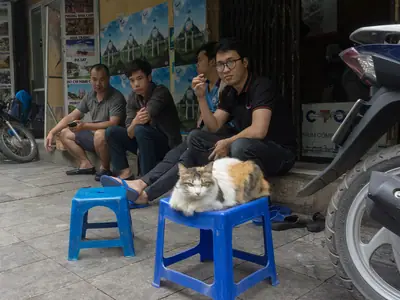
In Vietnam, mèo ta, literally "our cat", is what people call the ordinary native house cat. You'll find it napping on doorsteps, patrolling kitchens and keeping rice fields free of rats. It isn't a breed in the cat-fancy sense. There is no written standard and no pedigree, and one mèo ta can look and behave nothing like the next [1][6]. What it does have is deep roots in Southeast Asia and a unique place in Vietnamese culture.
Contents (10 sections)
Quick facts
- Origin
- Vietnam (native house cat)
- Weight
- varies
- Lifespan
- no data
- Coat
- mostly short
- Energy
- varies
Details & sources
- Size
- Varies; no breed standard
- Weight
- Varies; no standard figures
- Lifespan
- No Vietnam-specific data yet (see Health)
- Coat
- Mostly short-haired; very wide range of colours and patterns
Traits (scale 1–5)
- Energy
- Varies
- Shedding
- Varies
- Grooming needs
- Varies
- Good with kids
- Varies
- Vocal
- Varies
- Independence
- Varies
Not a pedigree breed, so traits vary from cat to cat.
Registry recognition
| CFA | No |
|---|---|
| TICA | No |
| FIFe | No |
| GCCF | No |
Origins
A large 2008 genetic study compared cats from around the world, including 20 random-bred cats sampled in Vietnam. It found that Asian cats split off early and developed in relative isolation. It also found that Southeast Asian breeds such as the Siamese and Korat cluster closely with the Vietnamese cats [2]. In other words, the everyday mèo ta belongs to the same regional gene pool that gave the world some of its best-known pedigree breeds.
We haven't found a reliable source for when cats first arrived in Vietnam. We'll update this page if one turns up.
The Year of the Cat
Most countries that follow the lunar zodiac celebrate the Year of the Rabbit. Vietnam celebrates the Year of the Cat instead [3][5]. There's no official explanation, but researchers offer a few theories:
- The zodiac term "Mão" (卯) sounds like mèo, the Vietnamese word for cat [3][4].
- Cats were prized by rice farmers for catching rats [5].
- Rabbits were simply never common in Vietnam [3].
Older Vietnamese texts do mention the rabbit, so exactly when the switch happened remains a mystery [4].
Appearance
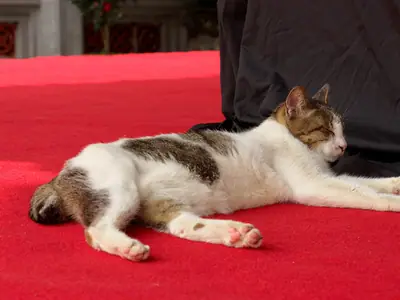
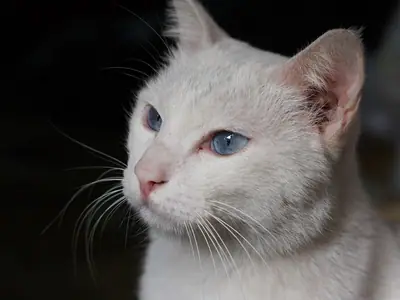
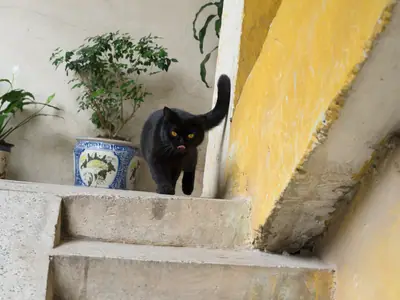
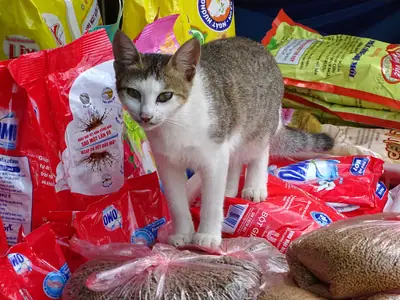
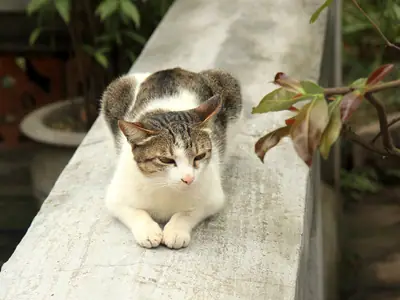
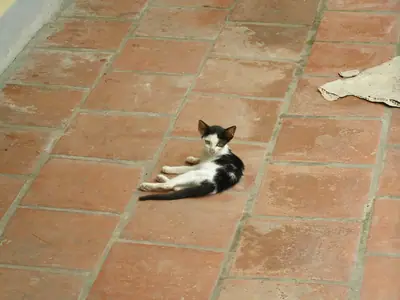
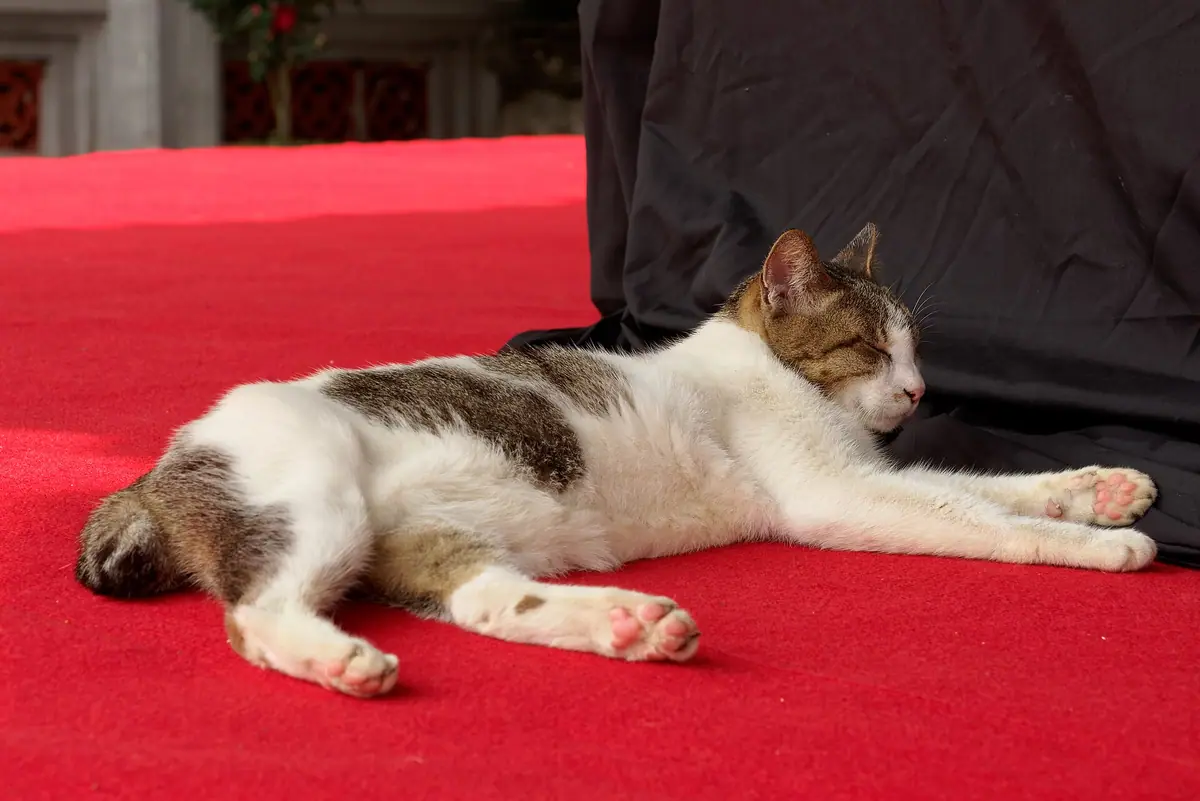
With no breed standard, there's no "correct" mèo ta. Most are short-haired. Vietnamese owners often name them by coat: mướp (tabby), vàng (ginger), mun (solid black), white, bicolour and tam thể (calico) [1]. Size and weight vary with the individual, diet and lifestyle.
Photo gallery
7 photos · tap to enlarge- (enlarge, photo 1/7)
- (enlarge, photo 2/7)
- (enlarge, photo 3/7)
- (enlarge, photo 4/7)
- (enlarge, photo 5/7)
- (enlarge, photo 6/7)
- (enlarge, photo 7/7)
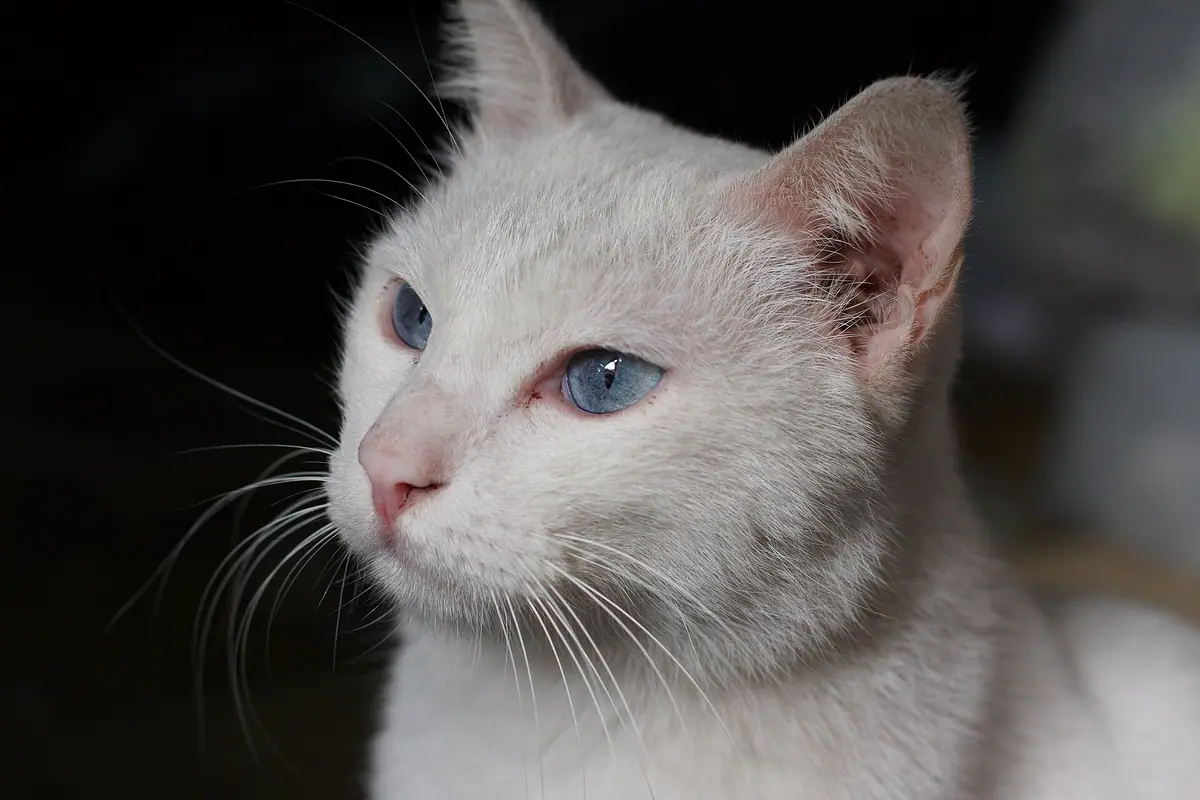
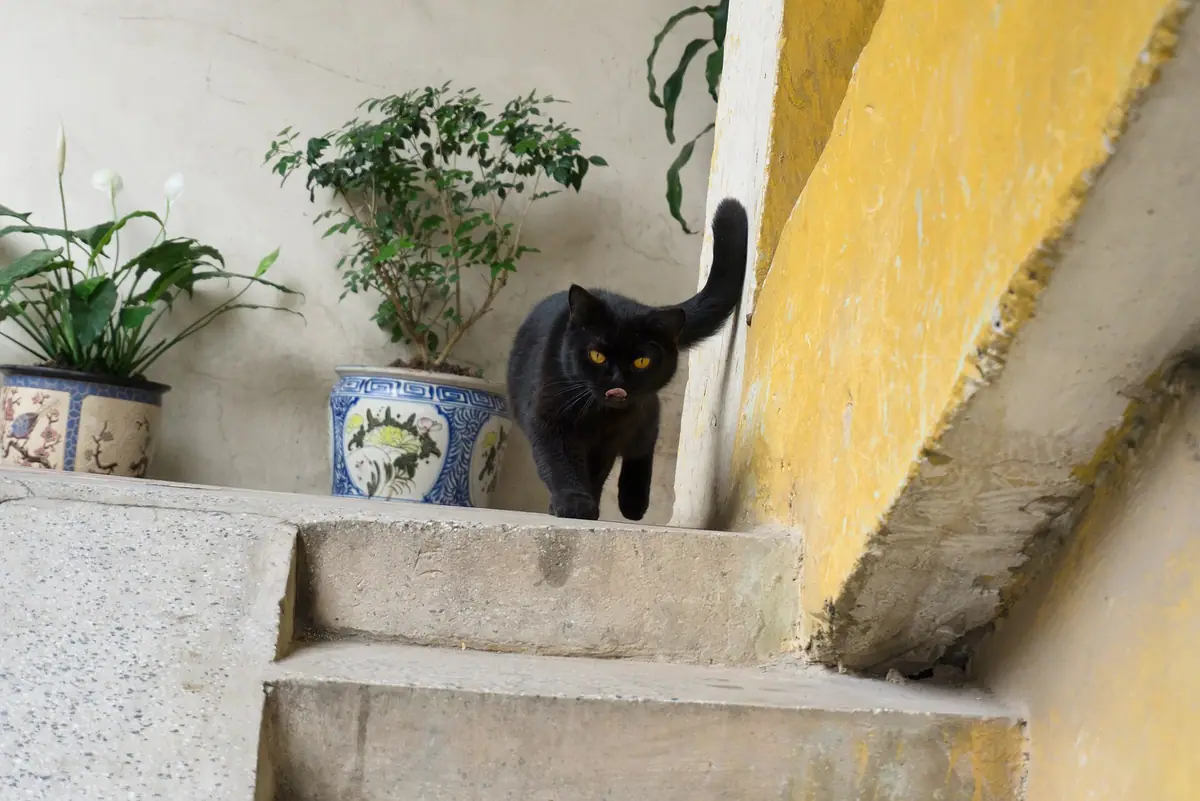
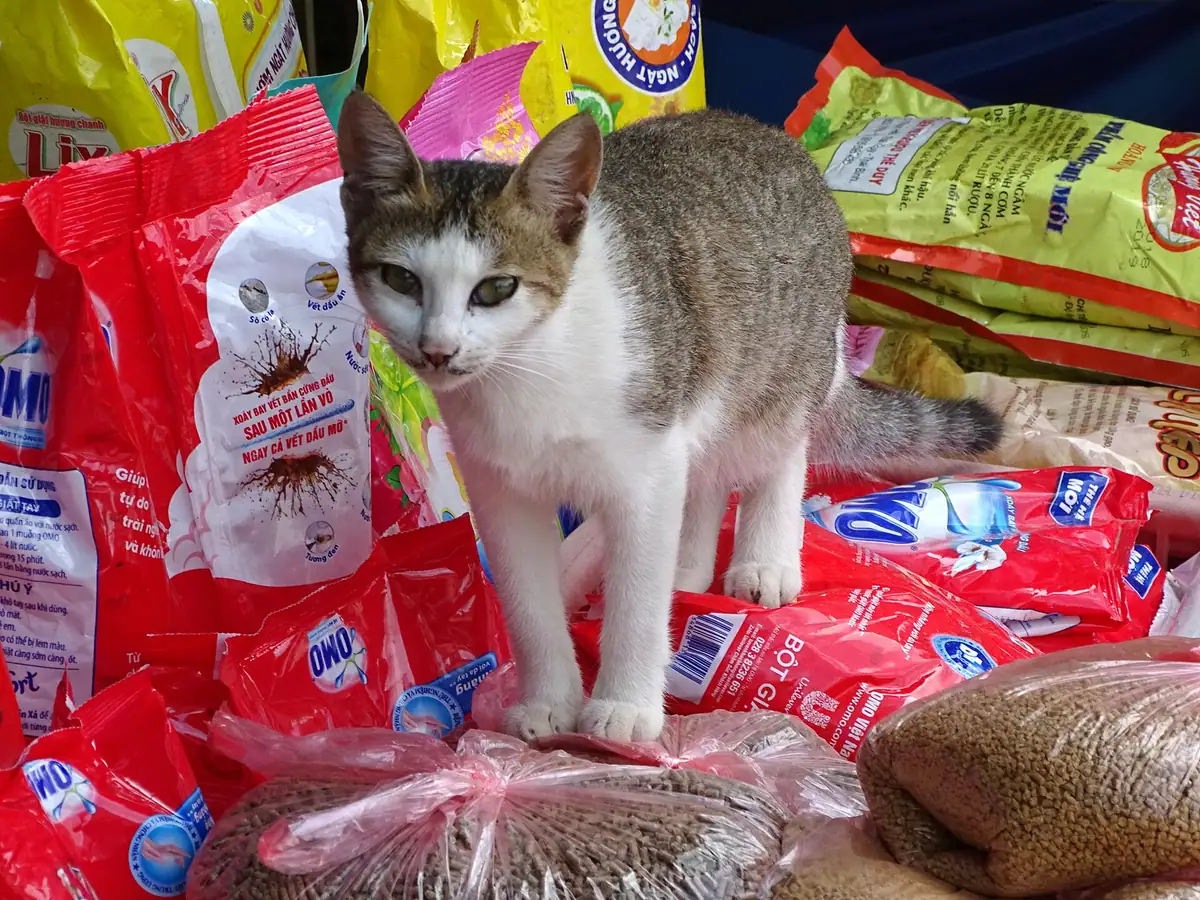
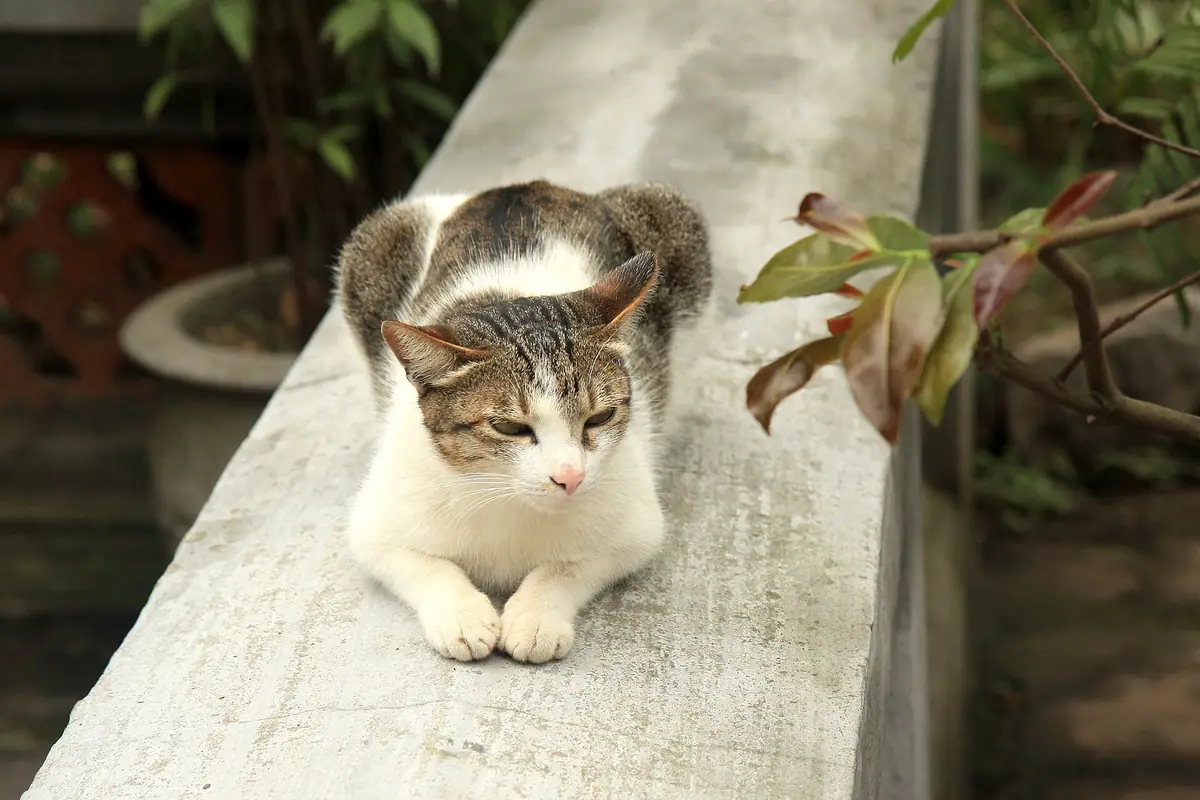
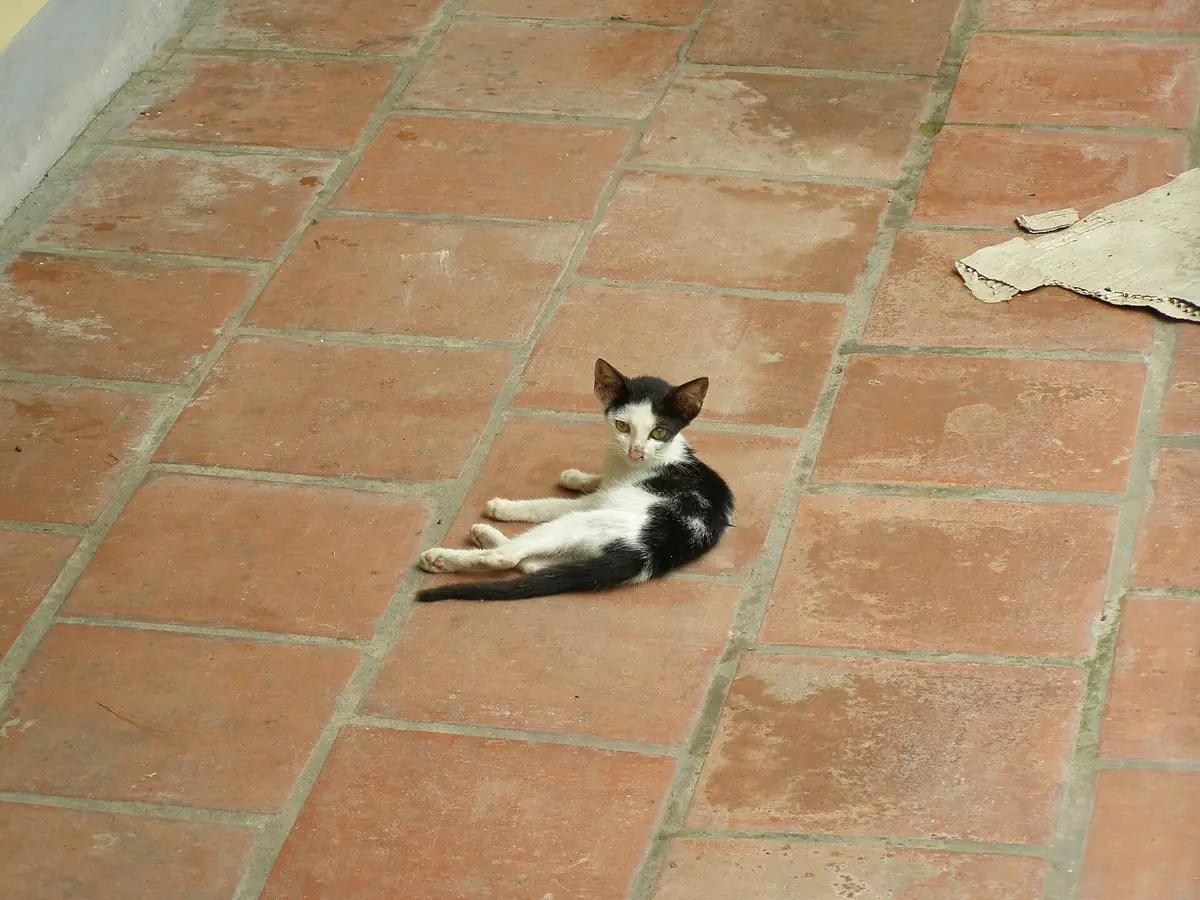
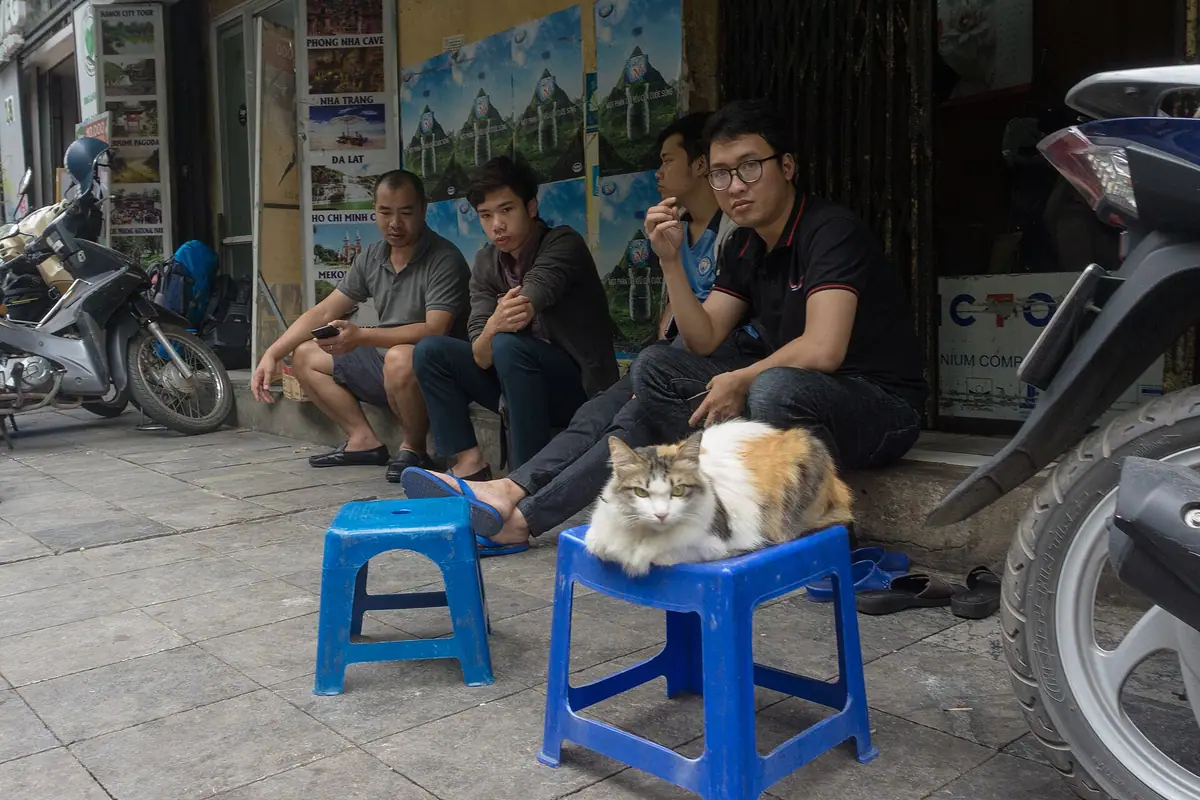

Photos: Wikimedia Commons – author & licence shown when enlarged and on the Photo credits page.
Temperament
Personality depends on the individual cat, how much it was handled as a kitten, and where it lives. Some are lap cats, others are fiercely independent. We deliberately don't describe a "breed temperament" here, because there's no evidence for one.
Care
A mèo ta needs what any cat needs: age-appropriate food, fresh water, a clean litter tray, scratching posts, toys and places to climb. International Cat Care notes that indoor-only cats are less exposed to traffic and to infections caught from other cats [8], so consider keeping your cat indoors or giving it supervised outdoor time. Whatever you choose, iCatCare recommends microchipping, neutering, vaccination and routine worm and flea treatment [8]. See our Cat care guides for more.
Health
No inherited disease is documented as specific to mèo ta as a group, but they can get any common feline illness. A UK study of almost 8,000 cats found that cats that weren't neutered, and cats that were too thin or overweight, had shorter lives [7]. We don't yet have lifespan data for cats in Vietnam.
For any specific health concern, talk to your veterinarian.
Don't confuse with… A mèo ta isn't a British Shorthair or a Siamese. Those are pedigree breeds with written standards, even though plenty of mèo ta happen to share their coat colours.
Ask your vet. This information is for reference only and does not replace a veterinary diagnosis.
Fun facts
Frequently asked questions
Is the Vietnamese domestic cat a breed?
No. "Mèo ta" is the everyday Vietnamese name for the country's native house cats. None of the major registries (CFA, TICA, GCCF) has a standard for it, so looks and personality vary widely. [1][6]
Are Vietnamese house cats easy to keep?
They need what every cat needs. That means good food, a clean litter tray, places to play and climb, vaccinations and regular vet checks [8]. Each cat has its own personality, so get to know the individual.
How long do Vietnamese house cats live?
There is no lifespan study for Vietnamese house cats specifically. A large UK study found that neutered cats and cats kept at a healthy weight tend to live longer, and that applies anywhere. [7]
Why does Vietnam have a Year of the Cat instead of the Rabbit?
There is no official answer. Popular theories are that the zodiac term "Mão" sounds like "mèo" (cat), that cats protected rice fields from rats, and that rabbits were never common in Vietnam. Some older Vietnamese texts still mention the rabbit. [3][4][5]
Similar breeds


Breed photos: Wikimedia Commons (CC0 / CC BY / CC BY-SA) – authors & licences on the Photo credits page.
References
- MochiCat, Vietnamese-language article on mèo ta coat types (commercial site, qualitative reference only)
- Lipinski MJ et al. (2008). The ascent of cat breeds: genetic evaluations of breeds and worldwide random-bred populations. Genomics 91(1):12–21
- Reuters (20/01/2023). Year of the Rabbit? Not so fast! Vietnam's Lunar New Year to celebrate the cat
- NPR (21/01/2023). Why Vietnam celebrates the Year of the Cat this Lunar New Year
- VOA News (01/2023). Why Vietnam Is Celebrating the Year of the Cat, Not the Rabbit
- TICA, breed list 2025 (no "Vietnamese" entry)
- Teng KT, Brodbelt DC, Church DB, O'Neill DG (2024). Life tables of annual life expectancy and risk factors for mortality in cats in the UK. J Feline Med Surg 26(5)
- International Cat Care (iCatCare). Should I keep my cat indoors or allow outdoor access?
Accessed: 2026-10-02
Written by Catopidia from the sources above. Photos credit their author and licence under each image and on the Photo credits & licences.