Cat breed · North America
American Shorthair
Mèo Mỹ lông ngắn

The American Shorthair is a true working cat: sturdy, with a thick, hard coat and an easygoing nature [1]. It's affectionate and loves interactive play, yet independent enough to amuse itself [1]. It ranked ninth in CFA's most popular breeds for 2026 [2]. The breed is recognised by CFA and TICA [3]; it isn't on FIFe's breed list [5].
Contents (10 sections)
Quick facts
- Origin
- United States (from cats aboard early settlers' ships)
- Weight
- no data
- Lifespan
- no data
- Coat
- short, thick
- Energy
- moderate
Details & sources
Traits (scale 1–5)
- Energy
- 3/5
- Shedding
- 3/5
- Grooming needs
- 2/5
- Good with kids
- 5/5
- Vocal
- 1/5
- Independence
- 4/5
Basis: Editorial estimate based on CFA's description, not a measurement
Registry recognition
| CFA | Yes |
|---|---|
| TICA | Yes |
| FIFe | No |
| GCCF | — |
GCCF: pending verification.
History
Shorthaired cats came to North America with the early settlers, on ships that kept cats to control rodents [1]. As pioneers moved west, their cats went too, protecting farms and homes from vermin [1]. Over 50 were shown at the first US cat show in 1895. In 1906 the breed was one of the first five recognised by CFA [1]. Originally shown as "Domestic Shorthairs", they took their current name in 1965 [1].
Appearance
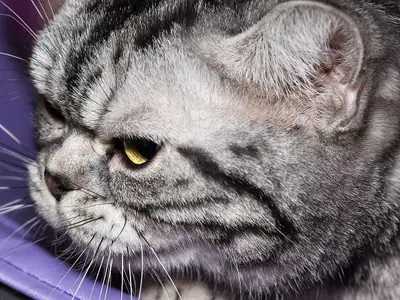
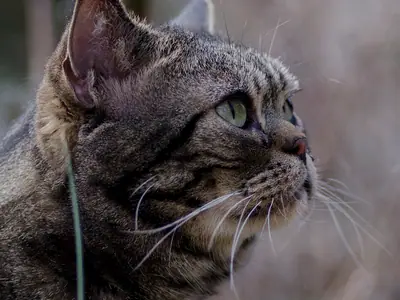
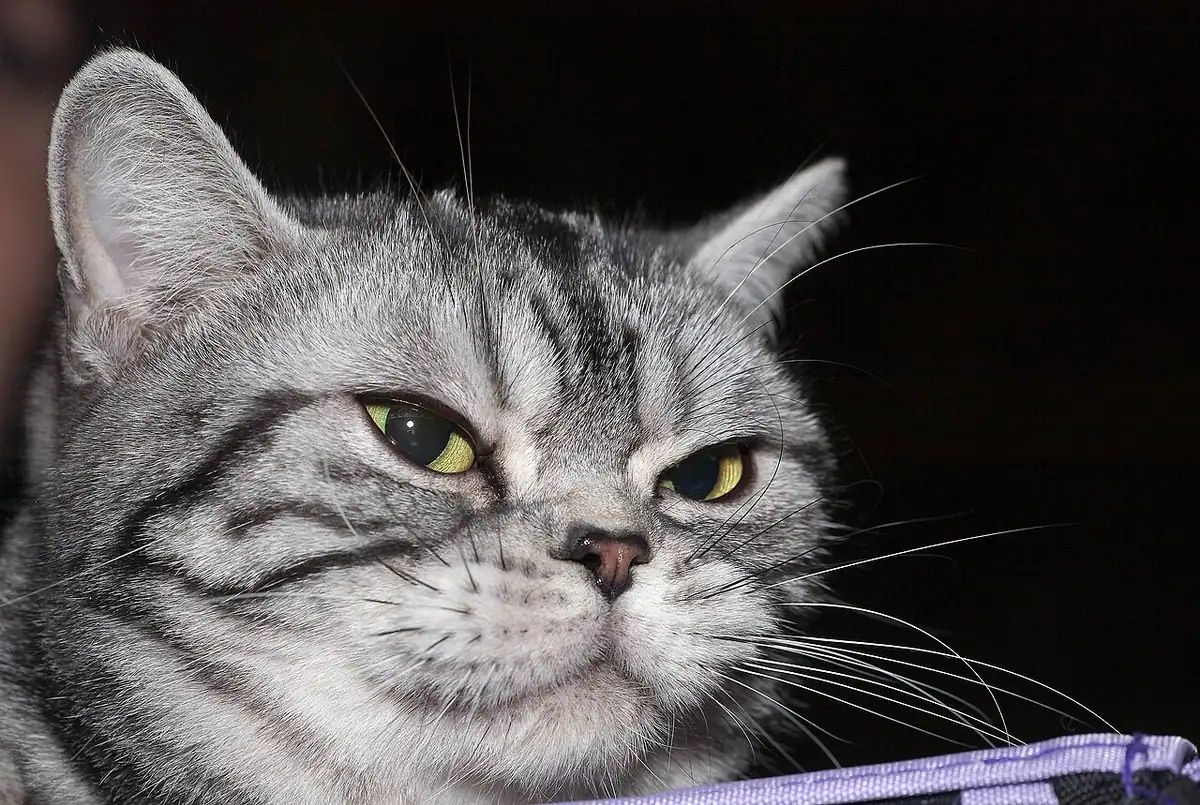
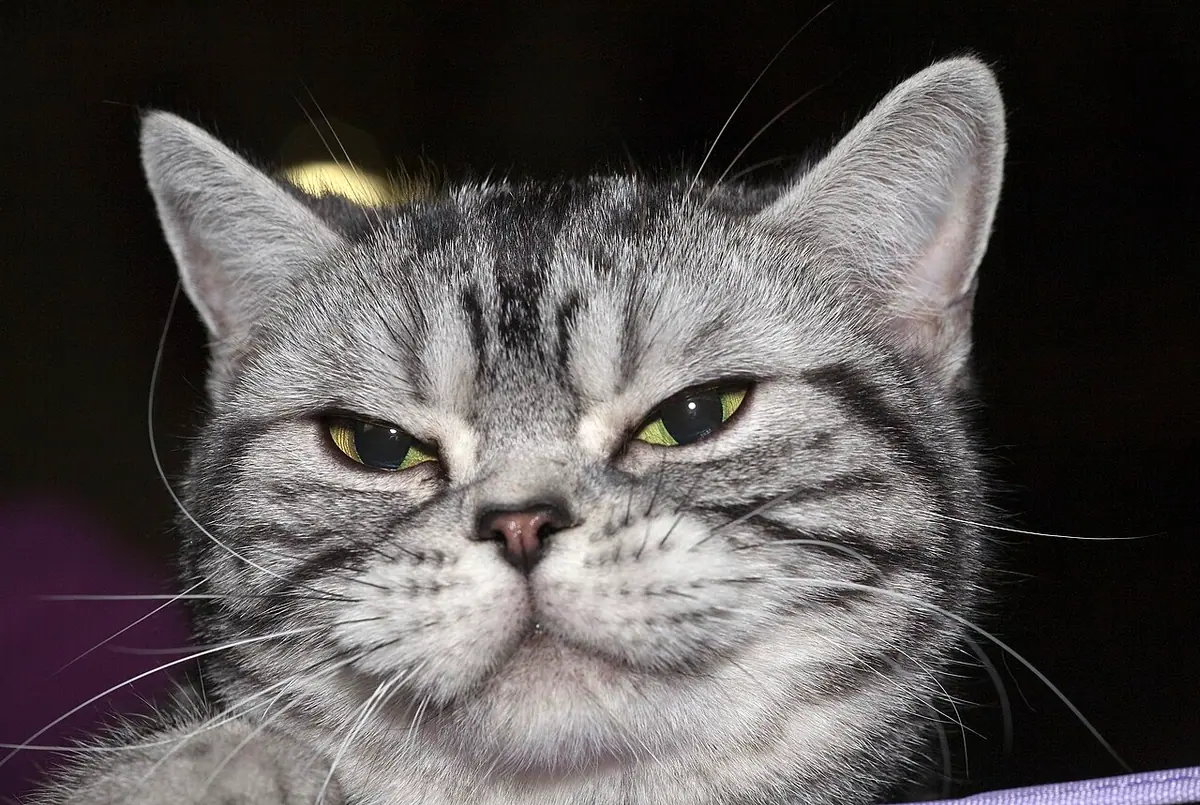
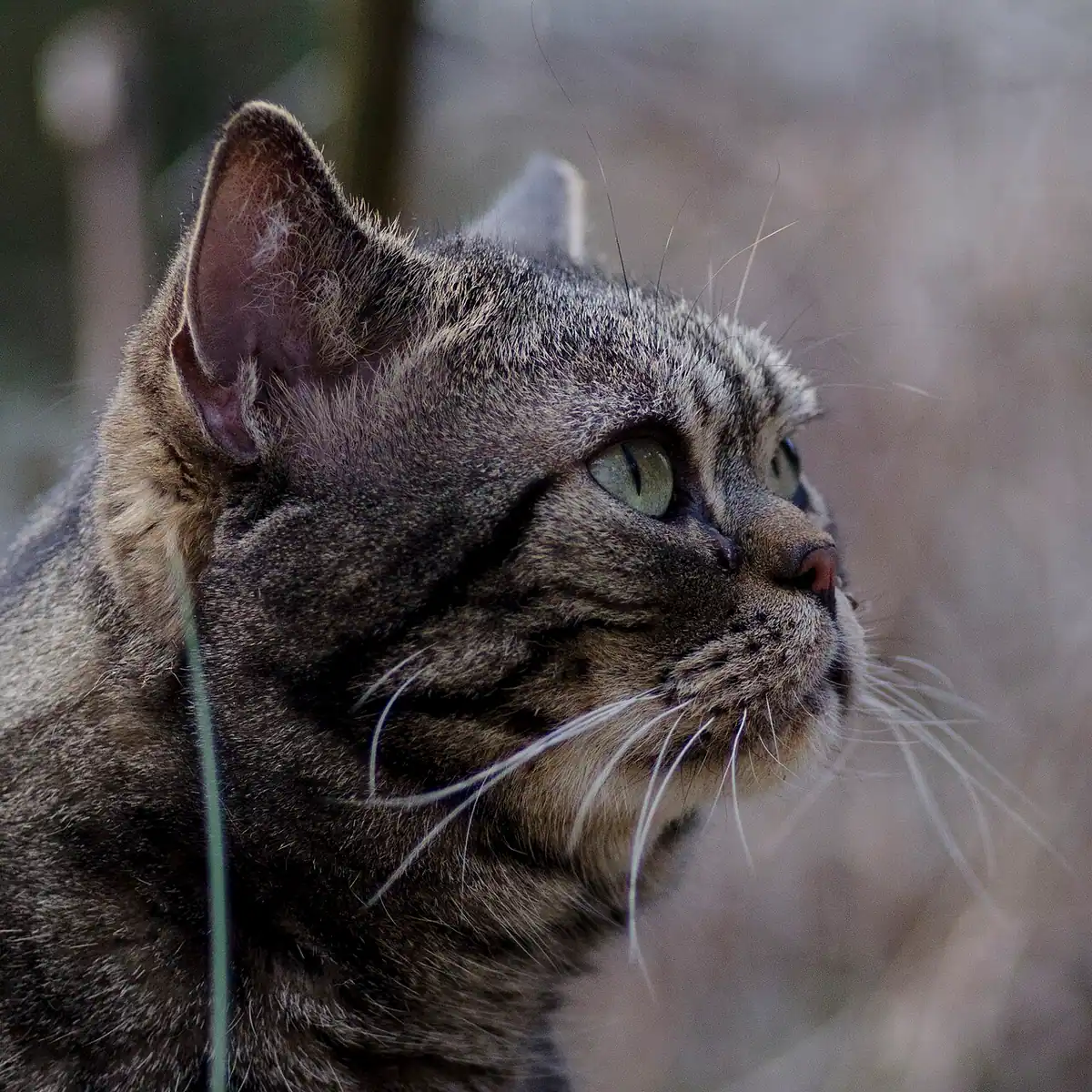
- Body: medium to large, muscular and slightly longer than tall, giving an impression of power and endurance [1].
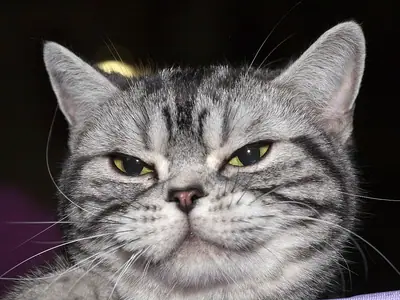
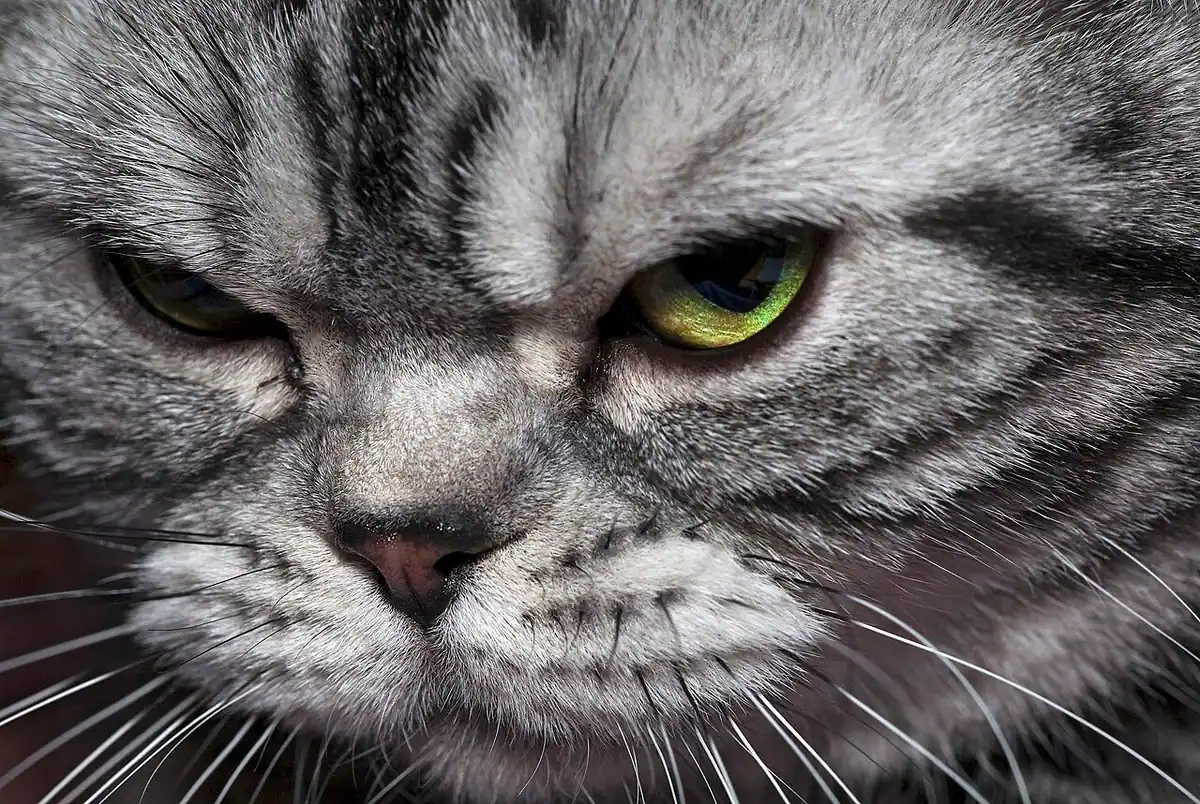
- Head: oval, slightly longer than wide, with a powerful jaw [1].
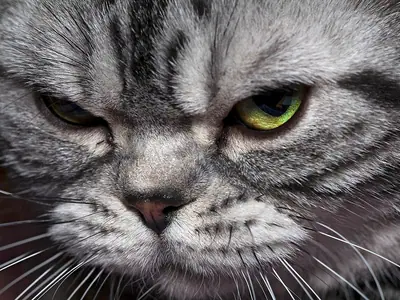
- Eyes: a shape unique to the breed, gently curved above and rounder below [1].
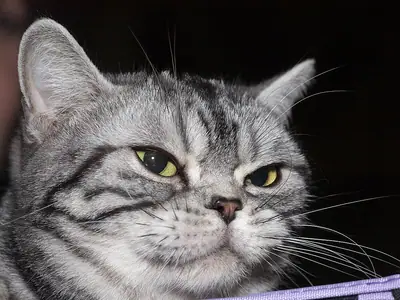
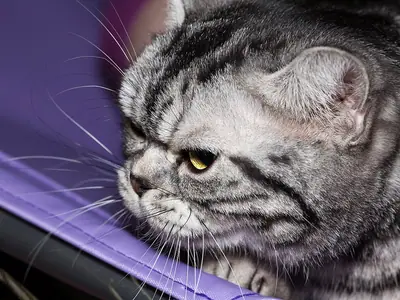
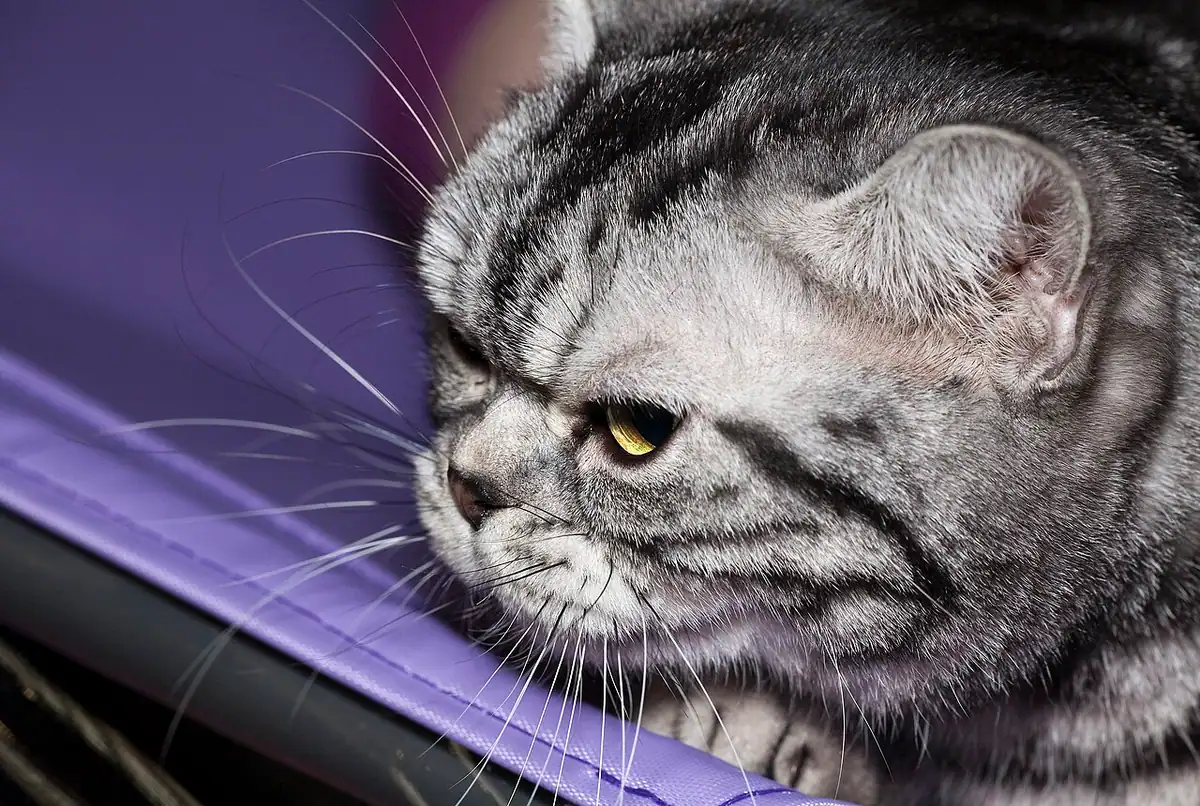
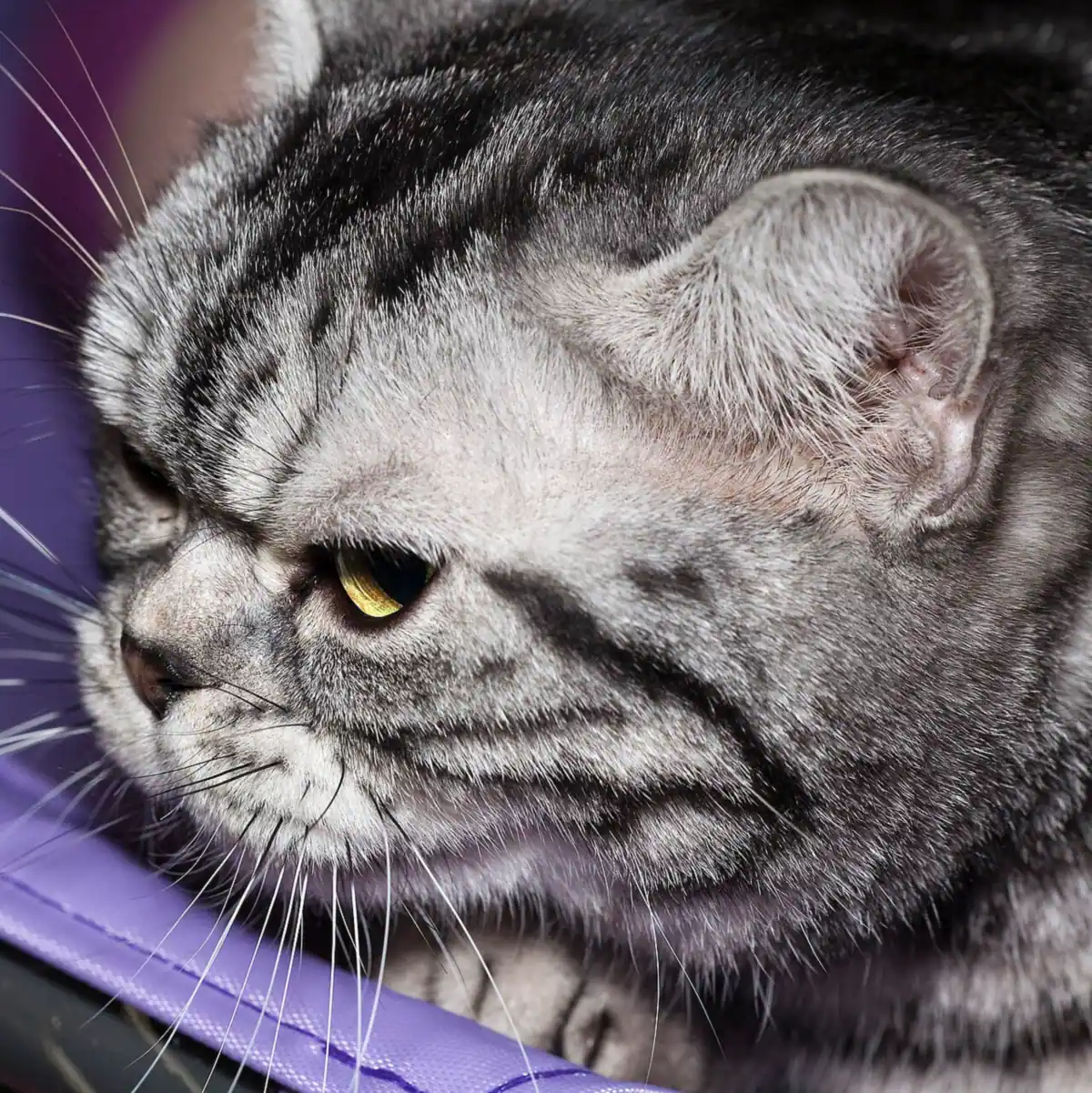
- Coat: thick and hard-textured, made for rough weather and brambles [1].
- Colours: silver and brown classic tabbies are popular; over 100 colour combinations in all [1].
Photo gallery
7 photos · tap to enlarge- (enlarge, photo 1/7)
- (enlarge, photo 2/7)
- (enlarge, photo 3/7)
- (enlarge, photo 4/7)
- (enlarge, photo 5/7)
- (enlarge, photo 6/7)
- (enlarge, photo 7/7)
.jpg)
Photos: Wikimedia Commons – author & licence shown when enlarged and on the Photo credits page.
Temperament
American Shorthairs are easygoing and relatively sedate, but they love hunting games with wand toys [1]. Play at the same time every day and your cat may dance in anticipation [1]. They're intelligent, easily trained, and very tolerant of other animals and small children [1]. They rarely need loud vocals; the breed is known for a "silent meow" greeting, with an open mouth and no sound [1].
Care
Health
- Breed-specific problems: CFA says none are currently known [1].
- HCM: noted in some cats in the 1980s and 1990s, then largely eliminated through preventive testing and selective breeding [1].
- Lifespan: we found no reliable breed-specific data.
This is general information; talk to your vet about any specific concern.
Don't confuse with…
- British Shorthair: stocky, round head, large round eyes, plush coat [4].
- Vietnamese domestic cat (tabby): a non-pedigree house cat that can also be striped. The American Shorthair is a pedigree breed registered by CFA since 1906 [1].
Ask your vet. This information is for reference only and does not replace a veterinary diagnosis.
Fun facts
Frequently asked questions
Is the American Shorthair easy to keep?
Fairly easy. They're affectionate but independent enough to amuse themselves while you're at work, and very tolerant of other pets and small children [1]. The coat needs little more than regular brushing to control shedding [1].
Can you train an American Shorthair?
Yes. CFA says they're easily trained to stay off counters, use scratching posts and even retrieve toys. They can also work out how to open drawers, especially where the treats are kept [1].
Do American Shorthairs shed a lot?
They shed the undercoat in spring and have a lighter shed in autumn. CFA recommends daily brushing with a slicker brush or grooming mitt [1].
Similar breeds


Breed photos: Wikimedia Commons (CC0 / CC BY / CC BY-SA) – authors & licences on the Photo credits page.
References
- CFA, American Shorthair (breed profile & standard)
- CFA, Most Popular Breeds for 2026 (American Shorthair #9, based on 2025 registrations)
- TICA, Browse All Breeds (American Shorthair listed)
- CFA, British Shorthair (breed profile & standard)
- FIFe, Breeds (American Shorthair not listed)
Accessed: 2026-10-02
Written by Catopidia from the sources above. Photos credit their author and licence under each image and on the Photo credits & licences.