Cat breed · Japan
Japanese Bobtail
Mèo cụt đuôi Nhật Bản

The Japanese Bobtail is an ancient, elegant Japanese breed that's as active as it is affectionate [1]. Its short pom-pom tail comes from a dominant gene, not cropping, and every bobtail is as unique as a fingerprint [1]. The breed is recognised by CFA [1], TICA [3] and FIFe [2], though FIFe recognises only the shorthair [2].
Contents (10 sections)
Quick facts
- Origin
- Japan, since the Middle Ages
- Weight
- no data
- Lifespan
- no data
- Coat
- short or long
- Energy
- high
Details & sources
- Weight
- No registry weight figure found
- Lifespan
- No longevity study or registry estimate found for this breed
- Coat
- Short or long, with no undercoat; sheds minimally [1]
Traits (scale 1–5)
- Energy
- 5/5
- Shedding
- 1/5
- Grooming needs
- 1/5
- Good with kids
- 5/5
- Vocal
- 3/5
- Independence
- 3/5
Basis: Editorial estimate based on CFA and FIFe descriptions, not a measurement
Registry recognition
| CFA | Yes |
|---|---|
| TICA | Yes |
| FIFe | Yes |
| GCCF | — |
FIFe recognises only the shorthair (JBS), since 1989 [2]. GCCF: pending verification.
History
Bobtailed cats appear in Japanese scrolls, prints and carvings from the Middle Ages and are thought to have arrived from Korea as early as the sixth century [1]. Ownership was restricted to the court until 1602, when an imperial edict ordered all cats released to fight the rodents threatening the silk industry [1]. The bobtails spread across Japan, interbred with street cats, and the tail became the signature look of most Japanese cats [1]. FIFe says the breed is believed to derive from kinked-tailed cats widespread across Southeast Asia and southern China [2]. The first Japanese Bobtails reached the US in 1968; CFA granted championship to shorthairs in 1976 and longhairs in 1993 [1]. FIFe has recognised the shorthair since 1989 [2].
Appearance
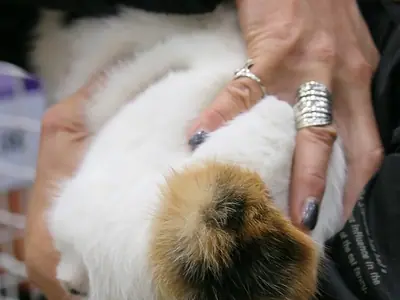
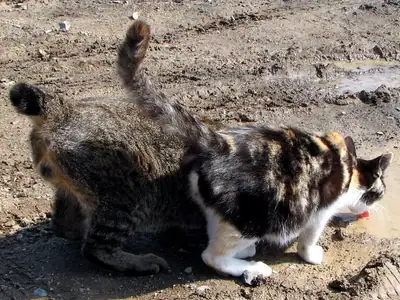
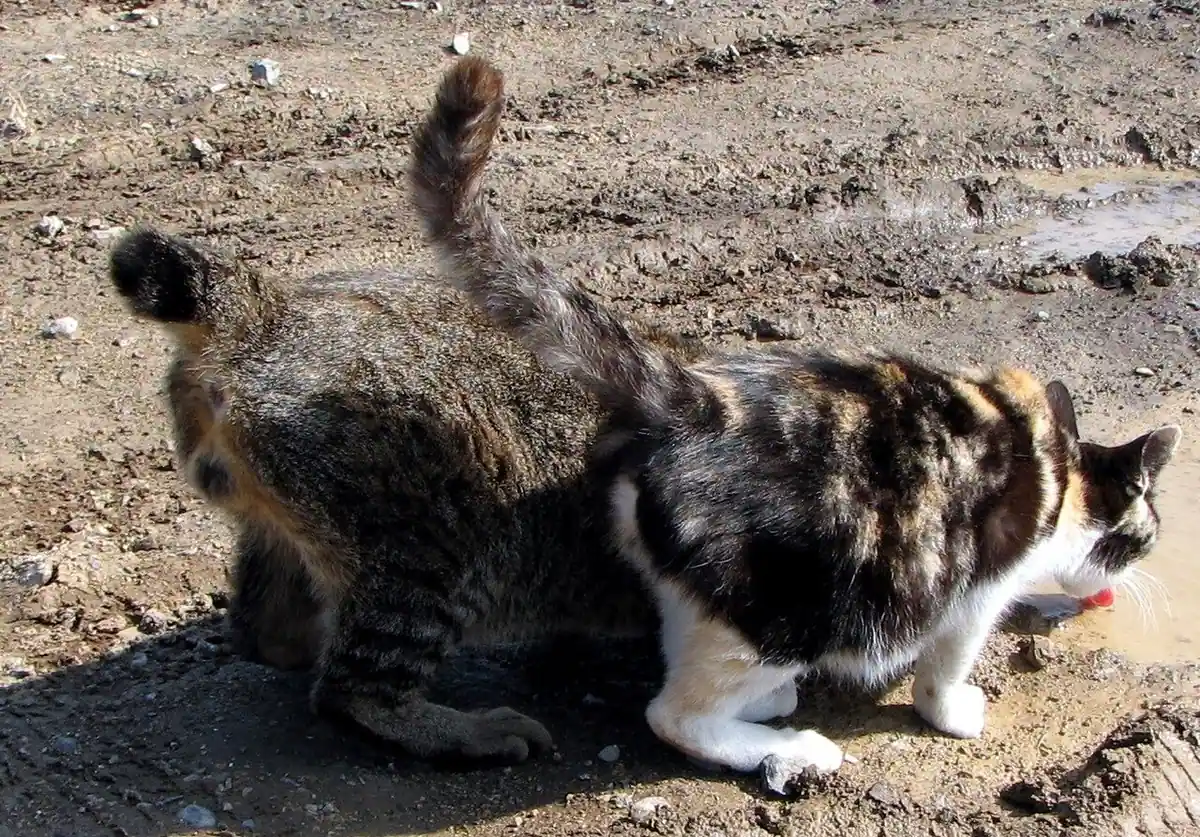
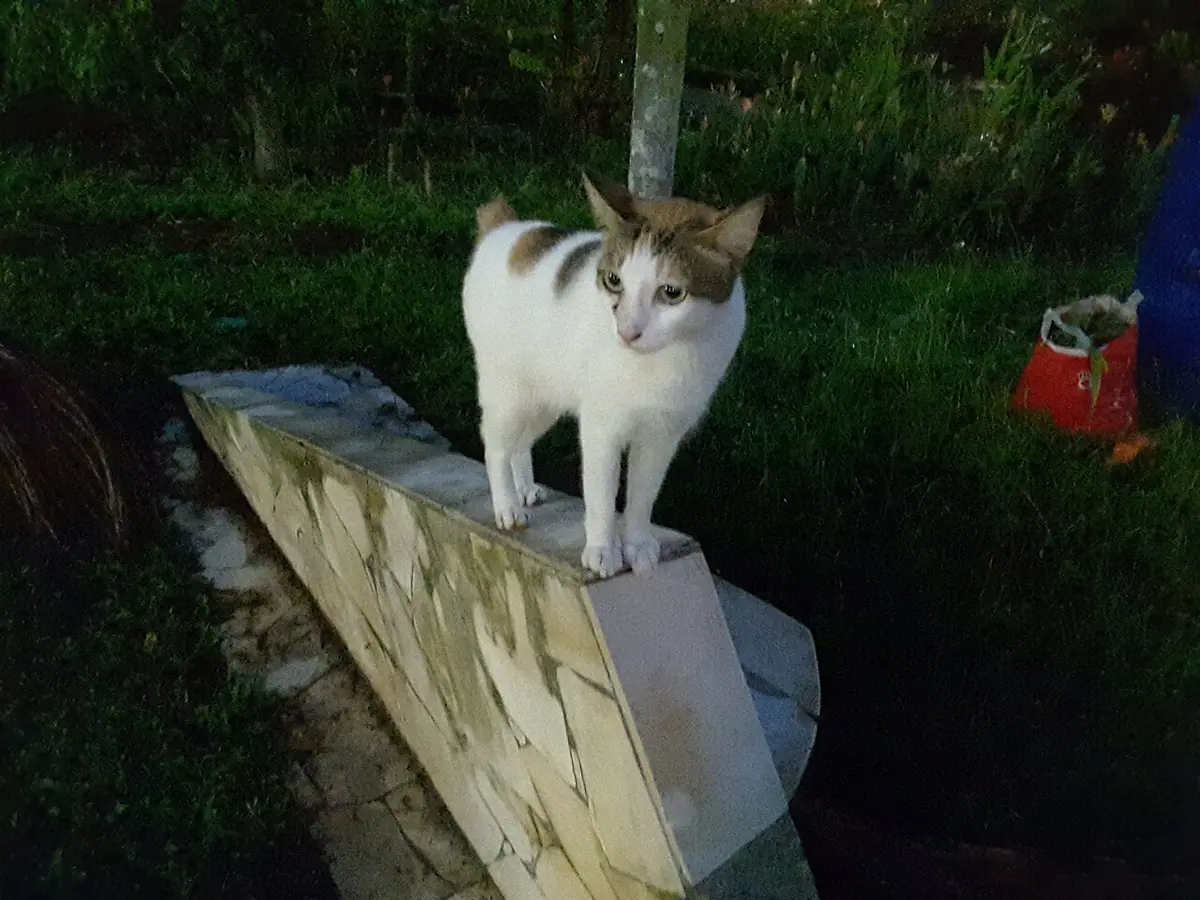
- Tail: for showing, it must be clearly visible and extend no more than three inches from the body; because the vertebrae may be curled, the tail can actually be longer [1]. The hair fans out into a pom-pom [2].
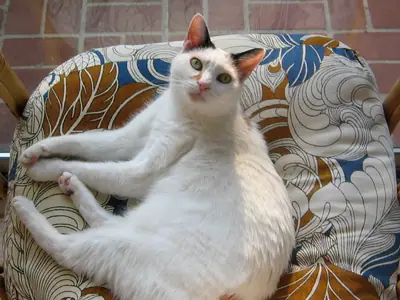
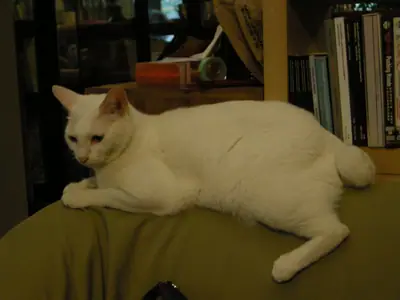
- Head: triangular, as long as it is wide, with high cheekbones, a long nose and large oval eyes set at a slant [1][2].
- Body: medium, fine-boned and long-legged, with large upright ears [1].
- Coat: short or long, with no undercoat [1].
- Colours: all colours; traditionally bicolour and mi-ke (calico) [1].
Photo gallery
5 photos · tap to enlarge- (enlarge, photo 1/5)
- (enlarge, photo 2/5)
- (enlarge, photo 3/5)
- (enlarge, photo 4/5)
- (enlarge, photo 5/5)
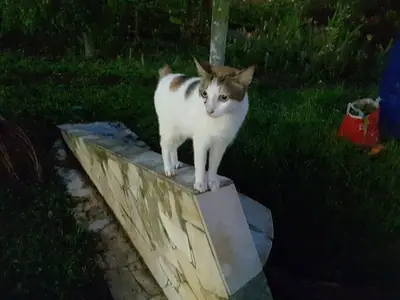
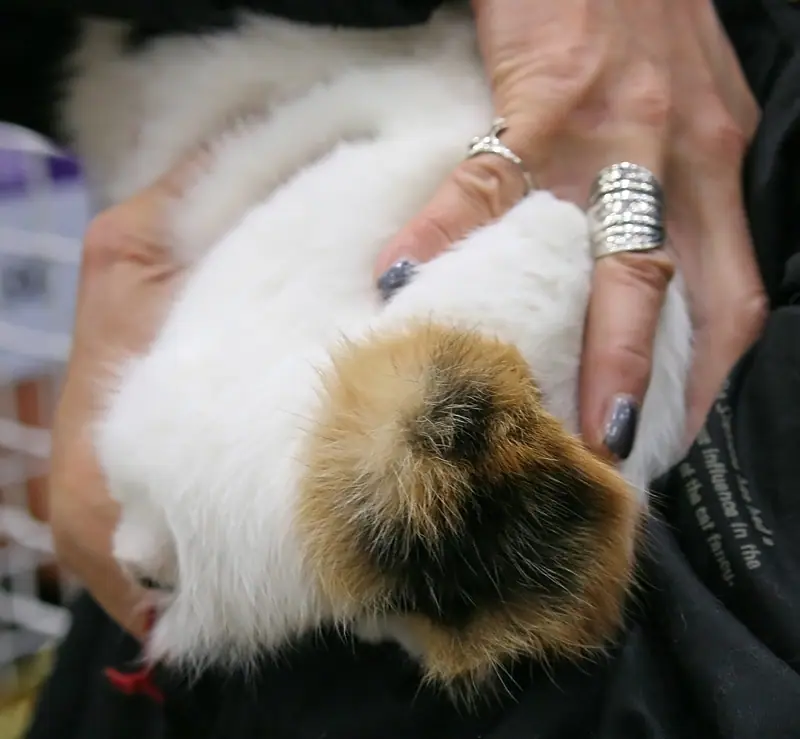
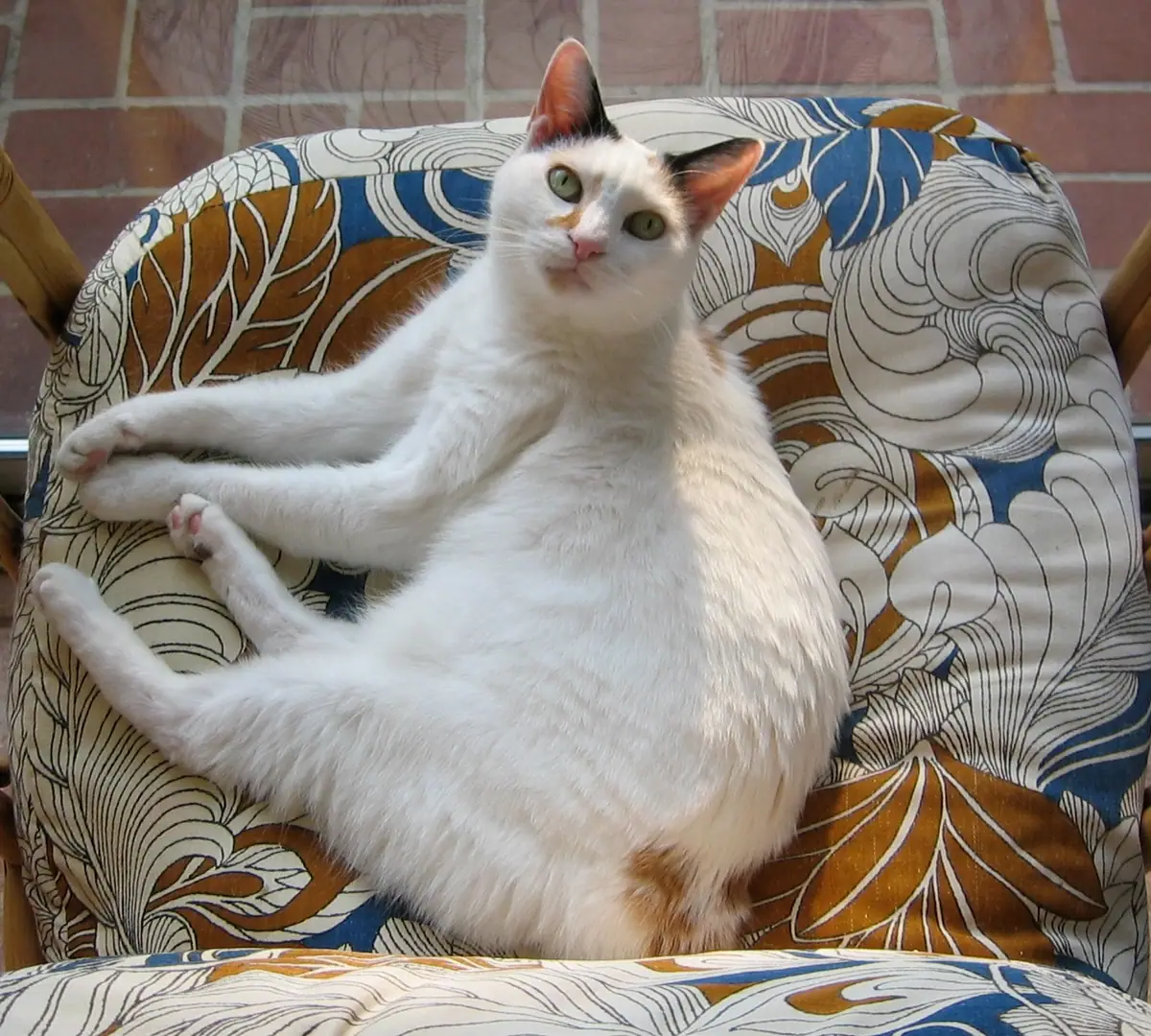
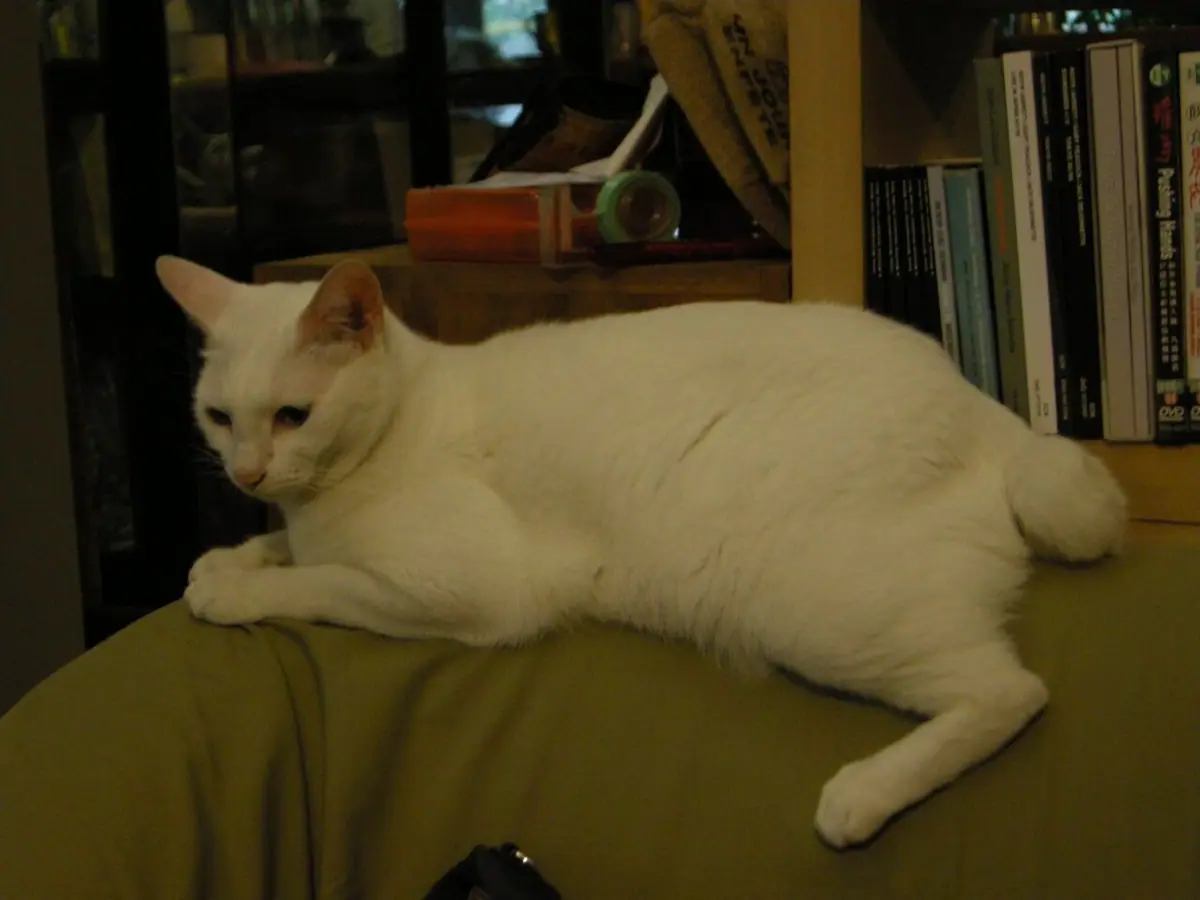

Photos: Wikimedia Commons – author & licence shown when enlarged and on the Photo credits page.
Temperament
Japanese Bobtails are inquisitive, intelligent problem-solvers, playful and agile [1]. With high energy and a short attention span, they're both entertainers and loving family pets [1]. They get on with dogs and children of all ages, though other cats may need time to adjust [1]. They need plenty of attention and interaction and will ask for it [1]. Their soft voices make a variety of sounds, charming without being noisy [1]. FIFe adds that the breed is highly attracted to water [2].
Care
Health
- Tail: CFA knows of no abnormalities associated with the breed's distinctive tail [1].
- Overall: a sturdy natural breed with no specific health concerns, according to CFA [1].
- Genetic diversity: breeders import Japanese street cats and use genetic testing to keep the gene pool healthy [1].
- Lifespan: we found no longevity study or registry estimate.
This is general information; talk to your vet about any specific concern.
Don't confuse with…
- Manx: tailless through a different gene, which can bring Manx syndrome [4].
- Vietnamese domestic cat with a short or kinked tail: FIFe notes kinked-tailed cats are widespread in Southeast Asia [2]; a short tail alone doesn't identify the breed.
Ask your vet. This information is for reference only and does not replace a veterinary diagnosis.
Fun facts
Frequently asked questions
Does the Japanese Bobtail's short tail cause health problems?
CFA says no abnormalities are known to be associated with the tail, which comes from a dominant gene rather than any cropping [1]. The tail is still sensitive, so handle it gently [1].
Similar breeds


Breed photos: Wikimedia Commons (CC0 / CC BY / CC BY-SA) – authors & licences on the Photo credits page.
References
- CFA, Japanese Bobtail (breed profile & standard)
- FIFe, Japanese Bobtail (breed profile; JBS recognised since 1989)
- TICA, Browse All Breeds (Japanese Bobtail listed)
- CFA, Manx (breed profile; Manx syndrome)
Accessed: 2026-10-02
Written by Catopidia from the sources above. Photos credit their author and licence under each image and on the Photo credits & licences.